


- 0 Comments
- Julie Hill
How to Read a Nutrition Label Without the Overwhelm
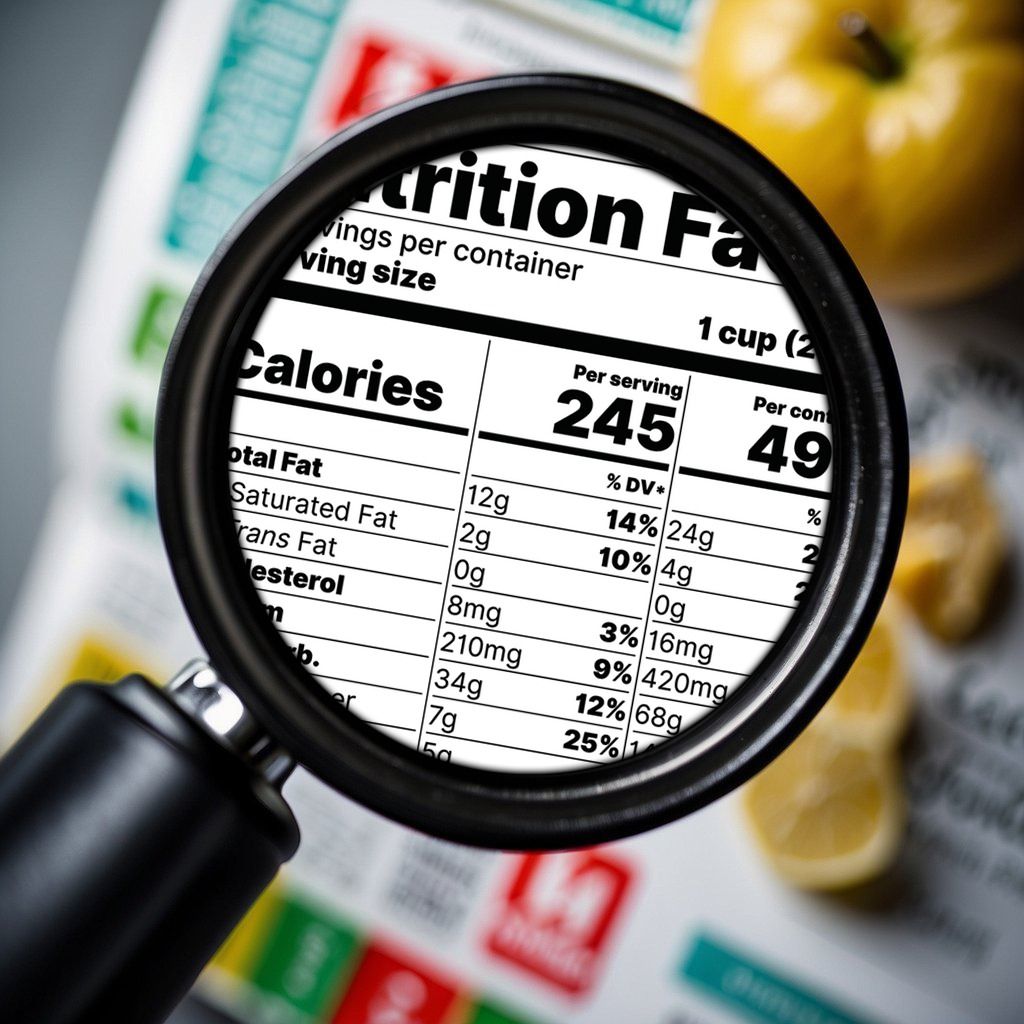
Standing in the grocery aisle, squinting at tiny print, wondering if this is actually a good choice? You are not alone. Nutrition labels are crowded with numbers, and most of us were never taught which ones actually matter. The good news is that you only need to look at a few things to make a confident decision.
Start with the serving size
Everything on the label depends on this one number. If a bag lists two servings and you eat the whole thing, you are getting double every number shown. Check the serving size first, then read the rest with that in mind.
The numbers worth watching
You do not need to track everything. For most people, the useful ones are added sugars, sodium, fiber, and protein. Lower added sugar and sodium, higher fiber and protein, is a simple rule of thumb that holds up across almost any product.
The ingredient list tells the real story
Ingredients are listed by weight, so the first few make up most of the product. A shorter list of foods you recognize is usually a better sign than a long list of additives. If sugar shows up under one of its many names near the top, that is worth noticing.
Nutrition Label Reading FAQ
What should I look at first on a nutrition label?
Always start with the serving size, because every other number on the label is based on it. Then scan added sugars, sodium, fiber, and protein per serving.
What is the difference between total sugar and added sugar?
Total sugar includes natural sugars, like those in fruit or dairy. Added sugar is what was put in during processing, and that is the number most worth keeping low
Are label claims like “natural” or “healthy” regulated?
Loosely. Marketing words on the front of the package are not a reliable guide, which is why it pays to read the actual label and ingredient list.
How many ingredients is too many?
There is no magic number, but a shorter list of recognizable foods is usually a better choice than a long list of additives and sweeteners.
Want the full foundation? These basics are core lessons inside Nutrition 101, Julie’s self-paced online course. Prefer one-on-one help? Book a free 15-minute call.
Written by Julie Hill, RD, LDN, FMCP

This article is for general education and is not medical advice. Talk with your healthcare provider about your individual needs.